Nearest Store -
Nearest Store -

Suggestions and links related to your search appear below this field and update as you type.

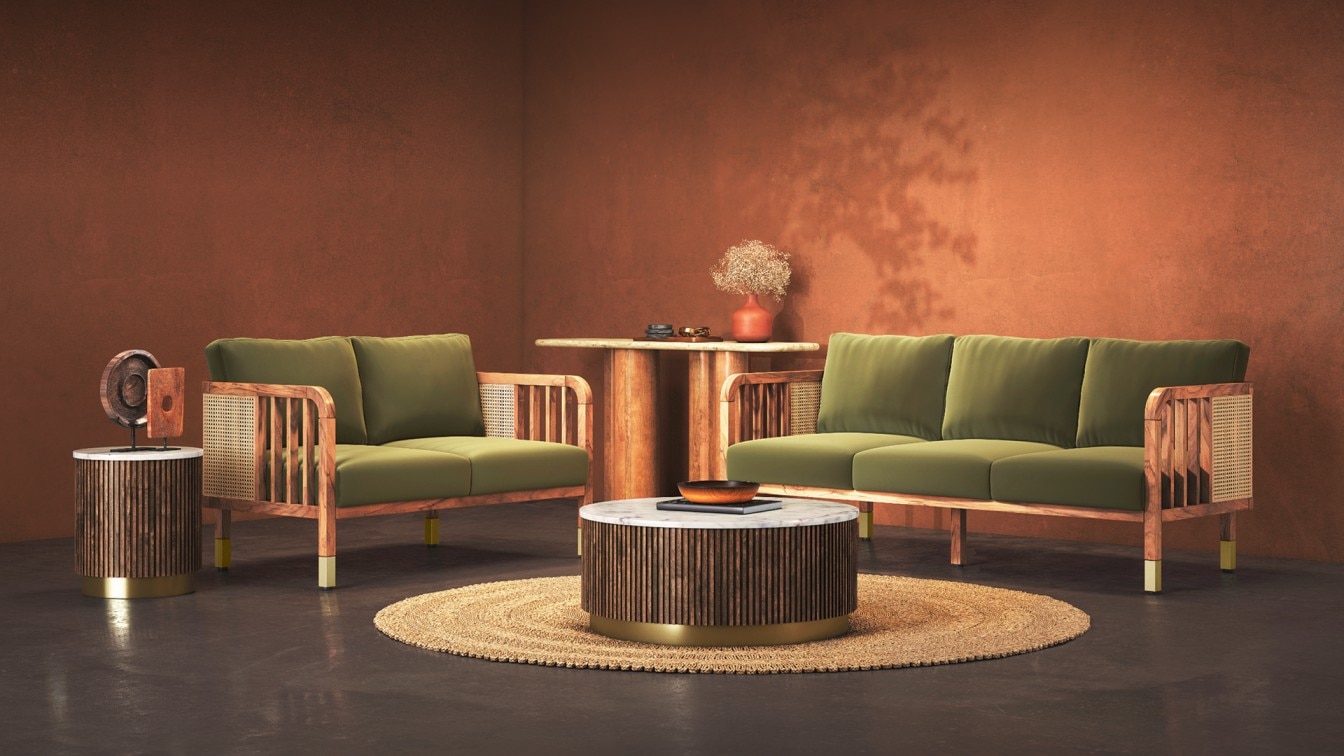
Cane moves easily through homes. It once rested in our grandparents’ sun-warmed verandahs, beneath fruit-laden trees and slow afternoons. It lived on in our parents’ homes, carrying nostalgia and a sense of familiarity. And today, it enters our homes quietly, not only filling corners, but also standing out.
Its versatility allows it to belong everywhere. Across settings, across generations, cane has evolved with time while never losing relevance. An easy choice but never an ordinary one.
But what makes it so enduring? How does it maintain its timeless charm?
Cane’s appeal lies in its natural intelligence, how effortlessly it adapts to both form and function.
Naturally breathable
Cane’s open weave allows air to circulate freely, making it ideal for extended seating, especially in warm climates. It stays cool to the touch, offering comfort without heaviness.
Effortless to maintain
Unlike dense upholstery, cane doesn’t trap dust easily. A simple wipe or gentle vacuum keeps it looking fresh, making it a practical choice for modern homes that value ease.
Resilient by nature
Cane’s naturally flexible structure is durable and strong. When tensioned correctly, it flexes rather than fractures, adapting seamlessly to everyday use.
An artisanal counterpoint
Cane brings a handcrafted softness that contrasts elegantly with solid wood frames, plush velvet, or even stone surfaces. It introduces texture without visual clutter.
Light in presence, strong in character
Visually lighter than solid panels, cane furniture helps spaces feel open and breathable, perfect for urban homes where balance matters.
Timeless across styles
Whether paired with minimal silhouettes or classic wood forms, cane transcends décor eras, ageing gracefully rather than dating quickly.
Sustainable
Sourced from fast-growing rattan vines, cane is a renewable material that regenerates with minimal environmental impact.
Together, these qualities make cane not just beautiful to live with, but meaningful to live around.
A Brief History: Cane in Design Legacy
Cane’s journey into high design is shaped by some of the most influential names in modern architecture.
Pierre Jeanneret’s Chandigarh Chair
Designed for the city of Chandigarh in the 1950s, Jeanneret’s iconic chair used cane within a bold, angular wood frame. The result was revolutionary: cane softened the severity of brutalist architecture, proving that warmth and rigour could coexist. Today, the chair stands as a collector’s piece, redefining cane as architectural and intellectual.
Marcel Breuer’s Cesca Chair
Breuer’s Cesca Chair paired industrial steel tubing with organic cane seating, an early exploration of what we now call industrial warmth. It showed how natural materials could humanise modernist design without compromising its clarity.
These designs elevated cane from a craft material to a modern essential.
Cane Across Design Styles
Cane’s versatility allows it to move fluidly across interiors.
Japandi (Japanese + Scandinavian)
Rooted in wabi-sabi and functional warmth, Japandi celebrates honest materials and quiet beauty. Cane fits seamlessly into this philosophy, valued for its natural texture and sustainable origins.
Coastal & Tropical
Cane feels most at home here, echoing an easy, lived-in elegance. It brings a sense of openness and airiness, evoking a relaxed, vacation-at-home atmosphere.
Minimalist
In a minimalist setting, cane is used to add "visual weight" without adding clutter. It provides a tactile texture that keeps a monochrome or neutral room from feeling uninviting.
Industrial Modern
An unexpected yet compelling contrast, cane softens the raw edges of industrial interiors. Its woven texture balances concrete, metal, and exposed finishes with warmth.
Contemporary Luxe
Paired with polished surfaces, muted palettes, and sculptural silhouettes, cane takes on a refined expression.
How to Style Cane With Intent
This is where thoughtful curation matters most. Cane doesn’t have to signal beachside living, it can be deeply urban and refined.
Material Juxtaposition
Pair cane with harder materials to create contrast. A cane-front sideboard against black marble, plush velvet, or brushed brass accents introduces a sophisticated tension that feels intentional, not themed.
Statement Piece vs. Accent
Ask yourself where you want texture to lead.
- A cane heaboard or sofa becomes architectural, a focal point.
-(1)-(1)-1772713070626.jpeg)
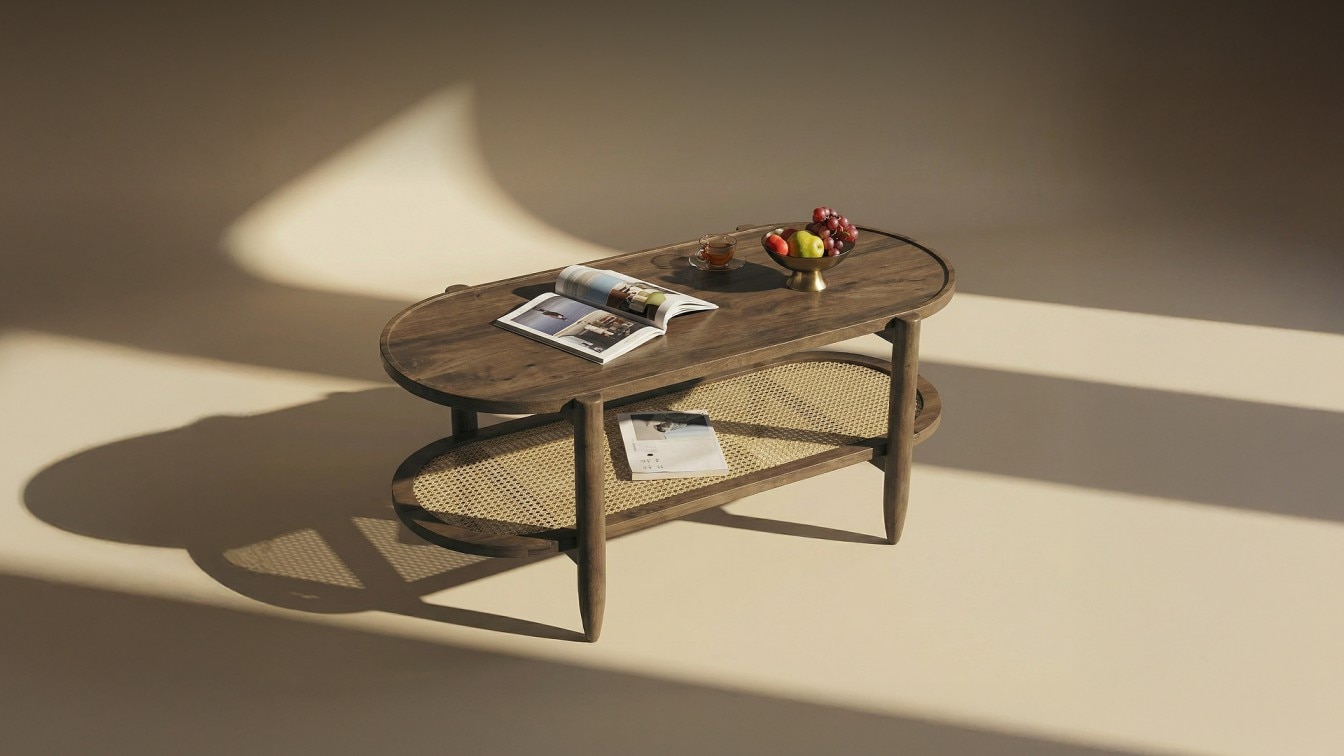
- A cane-panelled cabinet or coffee table adds depth quietly, layering texture without overwhelming the space.
Colour Palettes Beyond Beige
Cane shines against deeper hues. Think forest green walls, terracotta accents, warm greys, or moody charcoal. These shades ground cane, giving it a contemporary edge while allowing the weave to stand out.
Maintenance & Care Tips
Cane is durable, but thoughtful care helps it age beautifully.
- Dust regularly with a soft cloth or vacuum using a brush attachment.
- Avoid prolonged exposure to direct sunlight to prevent drying.
- Maintain moderate humidity; overly dry air can make cane brittle.
- For deeper cleaning, use a lightly damp cloth and allow it to dry naturally.
- Never soak cane; moisture should always be minimal and controlled.
A Modern Classic for Thoughtful Homes
Cane furniture brings together craft and modernity, softness and structure, history and now. When paired with well-designed wood frames and curated thoughtfully, it becomes more than furniture; it becomes a design statement that breathes with your space.
Download Our App


Download Our App
Download Our App
The Company
The Company
The Company
More Information
More Information
More Information
Address
Reliance Retail Limited, 3rd Floor, Court House, Lokmanya Tilak Marg, Dhobi Talao, Mumbai, Maharashtra, India - 400002
CIN: U01100MH1999PLC120563
Address
Reliance Retail Limited, 3rd Floor, Court House, Lokmanya Tilak Marg, Dhobi Talao, Mumbai, Maharashtra, India - 400002
CIN: U01100MH1999PLC120563
Address
Reliance Retail Limited, 3rd Floor, Court House, Lokmanya Tilak Marg, Dhobi Talao, Mumbai, Maharashtra, India - 400002
CIN: U01100MH1999PLC120563


